Technology moves fast. Just as many parts of the world are still rolling out 5G, research and development have already begun on the sixth generation of wireless technology: 6G. While it may sound futuristic, experts predict that 6G networks could be commercially available by the early 2030s. But what exactly is 6G, and why should we care?
1. Beyond Speed: What is 6G?
6G (sixth-generation wireless) is the successor to 5G, expected to deliver speeds up to 100 times faster than today’s networks. But speed isn’t the only goal. 6G aims to connect people, devices, vehicles, and even environments in ways we’ve never experienced before.
Think of it as the bridge between the physical and digital worlds—not just streaming movies faster, but enabling immersive technologies like extended reality (XR), holograms, smart cities, and advanced AI-driven services.
2. Key Features of 6G
- Ultra-Fast Speeds
Estimated to reach 1 Tbps (terabit per second), 6G could download an entire movie in milliseconds. - Ultra-Low Latency
Delays could drop to less than 1 millisecond, enabling real-time communication for applications like autonomous driving or remote surgery. - Massive Connectivity
Designed to handle billions of connected devices simultaneously, perfect for the Internet of Everything (IoE). - AI-Integrated Networks
Unlike previous generations, 6G will be AI-driven, meaning the network can self-optimize, predict demand, and manage traffic smarter. - Terahertz Spectrum
6G will likely use the THz frequency band (0.1–10 THz), offering wider bandwidth but requiring new infrastructure to overcome signal challenges.
3. What Can 6G Do for Us?
- Healthcare: Real-time remote surgeries using holographic imaging.
- Education: Virtual classrooms with 3D holograms of teachers.
- Smart Cities: Autonomous traffic management, connected infrastructure, and real-time monitoring.
- Entertainment: Immersive metaverse experiences, holographic concerts, and hyper-realistic VR/AR.
- Industry 4.0: Smarter factories, robotics, and AI-powered automation.
4. Challenges Ahead
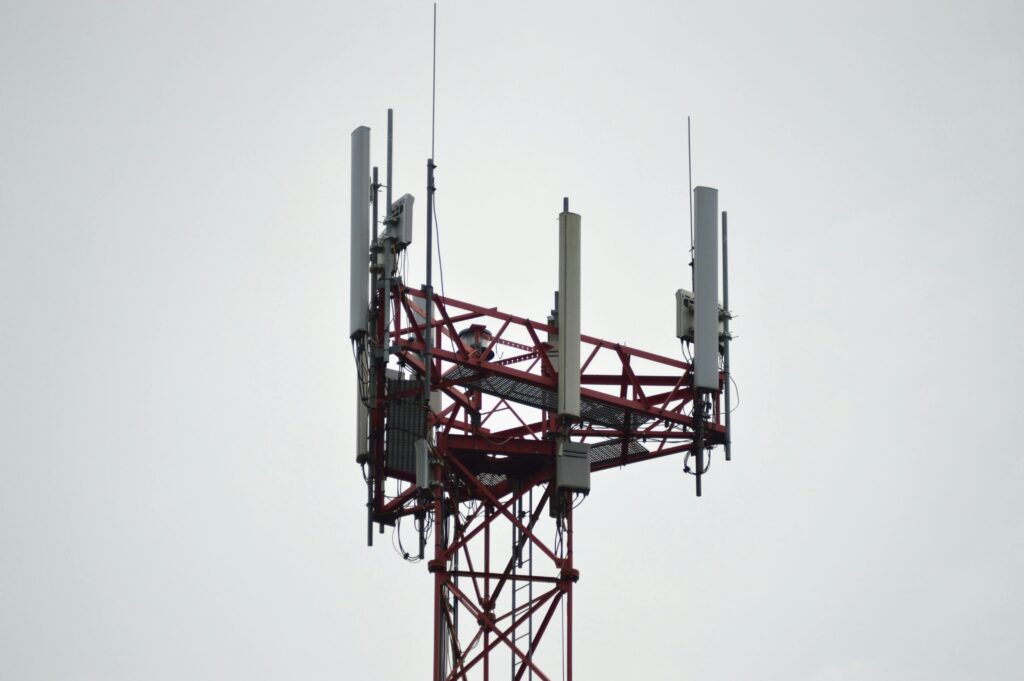
- Infrastructure Costs: Building 6G will require massive investment in new towers, satellites, and fiber networks.
- Energy Consumption: With so many connected devices, sustainability and power efficiency are critical.
- Security & Privacy: More connected devices mean more risks. Stronger cybersecurity measures will be essential.
- Global Adoption: Many regions still struggle with 4G/5G access, so 6G deployment could deepen the digital divide.
5. When Will 6G Arrive?
While still in the research phase, countries like the US, China, South Korea, and Japan are heavily investing in 6G. The first commercial networks are expected around 2030, but testing and pilot projects may begin much earlier.
Final Thoughts
6G is not just about faster internet—it’s about enabling a new era of digital transformation where AI, IoT, and immersive technologies blend seamlessly into daily life. While challenges exist, the possibilities are endless.
👉 In simple terms: 5G connected the world. 6G will redefine it.