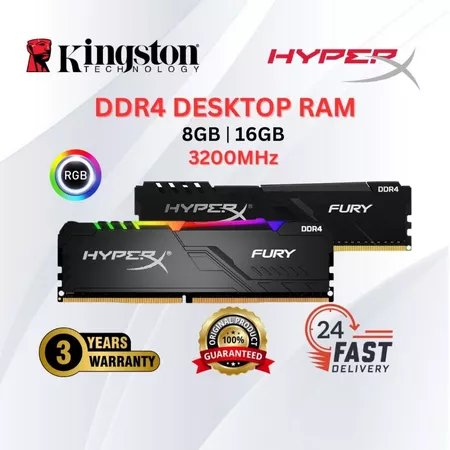
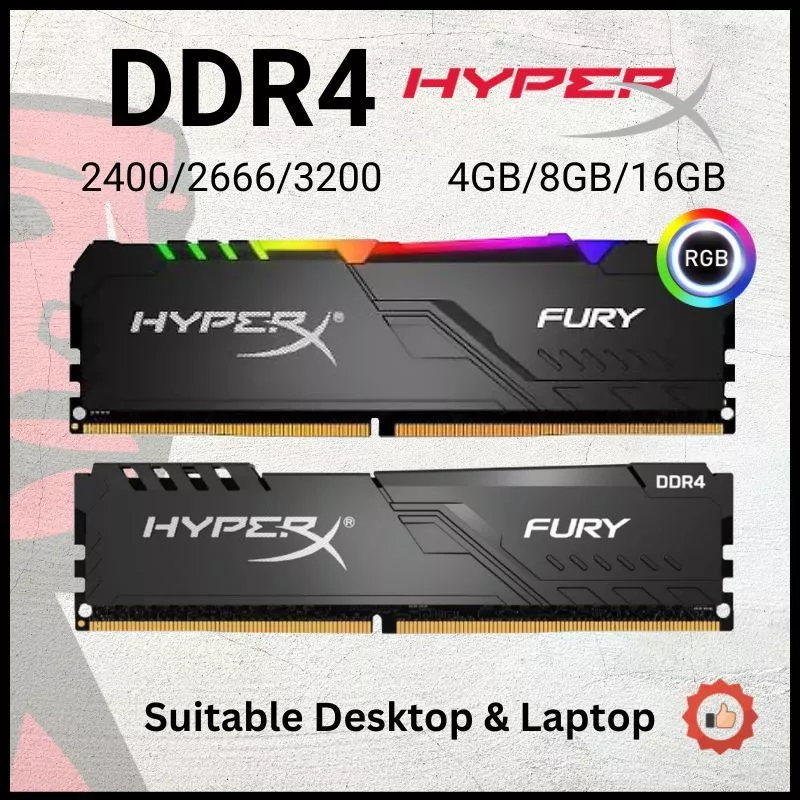
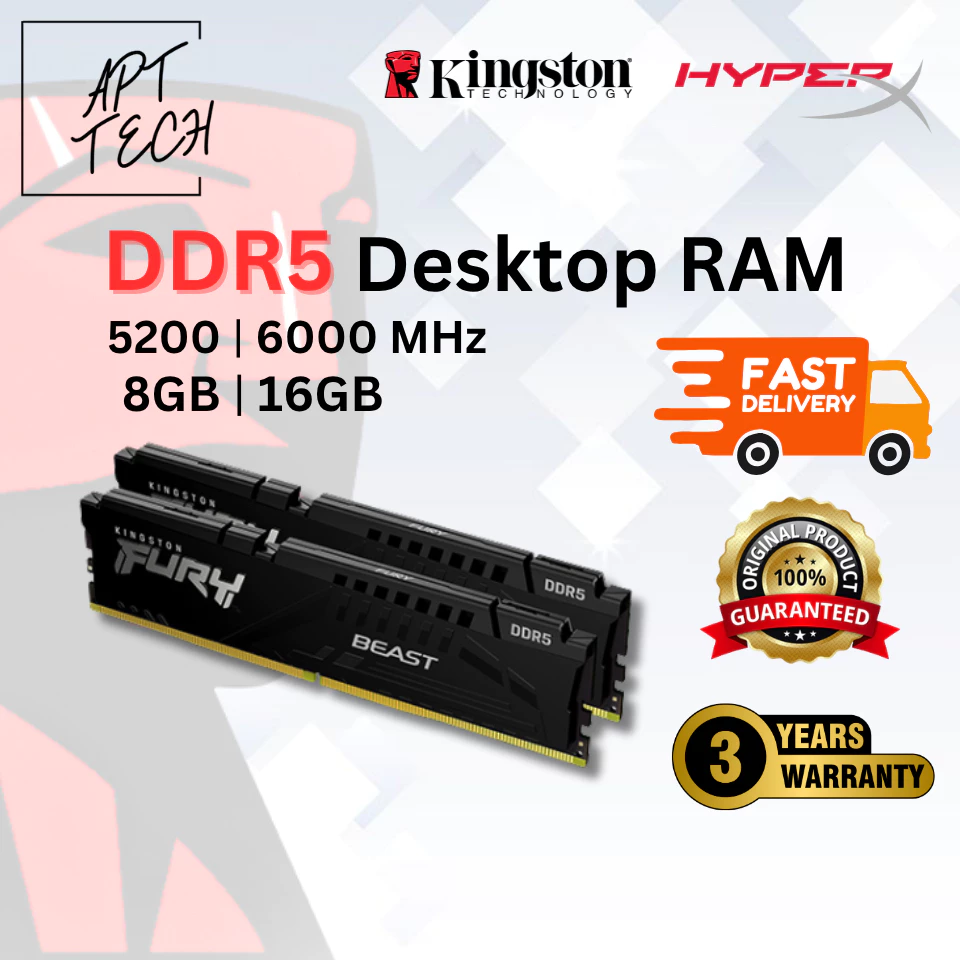
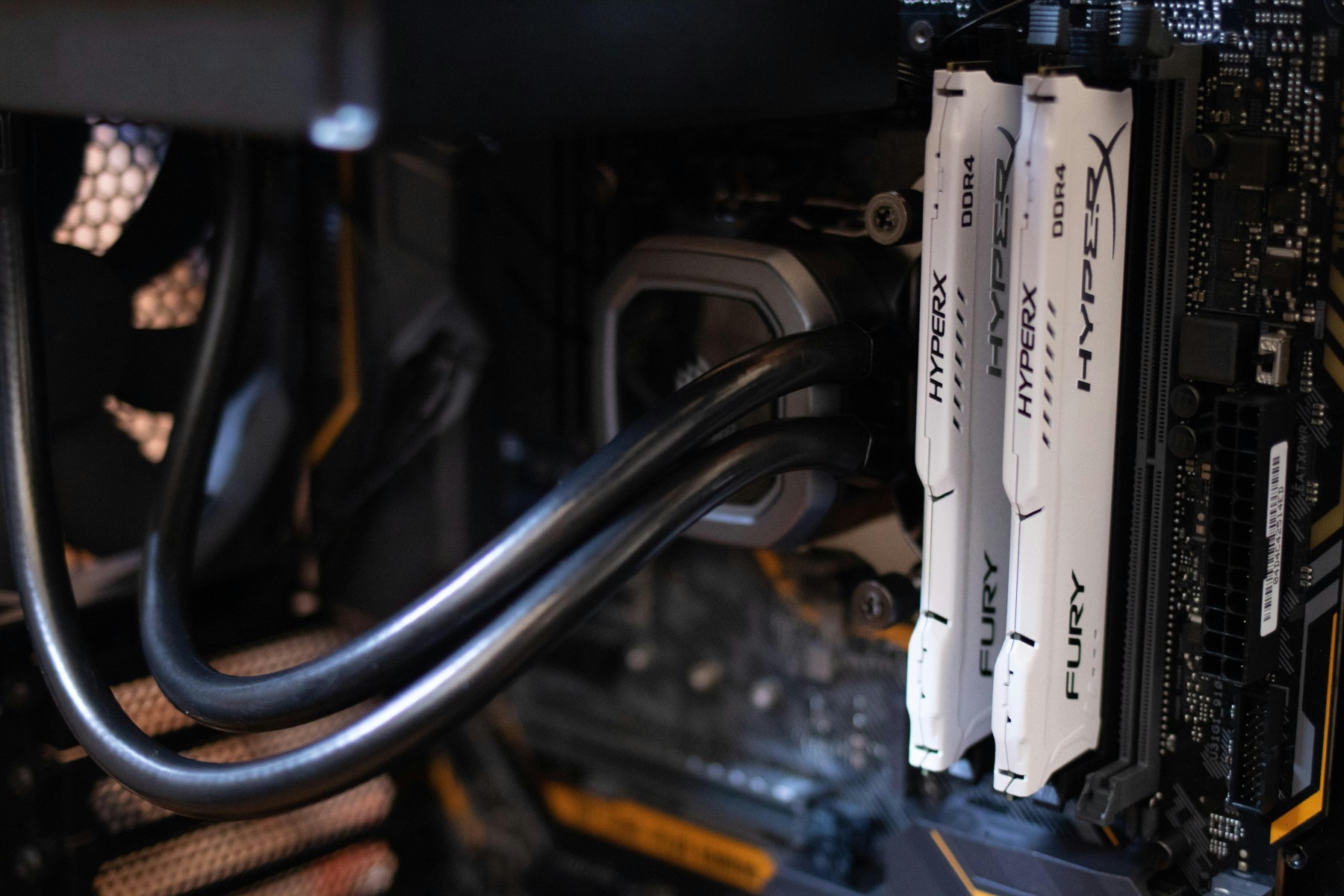
In 2026, the price of RAM (Random-Access Memory), especially DDR5 modules for PCs, laptops, and even smartphones, has surged much higher than many expected. This has affected everything from laptop upgrades to custom PC builds, and analysts warn that high prices may stick around through 2026–2027. Here’s a clear breakdown of why this is happening:
Soaring Demand from AI and Data Centers
One of the biggest drivers of high RAM prices is the explosive growth of artificial intelligence (AI) technologies.
- AI workloads require massive amounts of memory — often High Bandwidth Memory (HBM) and large DDR5/LPDDR5X modules — because AI training and inference involve huge datasets.
- Major cloud and tech companies like Google, Amazon, Microsoft, OpenAI, and others are locking in memory supplies years in advance to build and expand AI data centers. This has diverted production capacity away from consumer markets (PCs and phones) toward server and AI memory.
As a result, fewer chips are available for normal DDR5 RAM sticks, which pushes prices up sharply.
Limited Production and Capacity Constraints
Memory manufacturing isn’t something that can be increased quickly:
- Building new memory production facilities (fabs) takes years and billions of dollars, and manufacturers are cautious about over-investing in case demand falters later.
- Many factories have shifted prime capacity to produce higher-margin HBM and server DDR5 chips, leaving less capacity for standard consumer RAM.
- Overall supply growth in 2026 is expected to remain below demand growth, contributing to ongoing tight supply.
This imbalance — more demand than supply — naturally leads to higher prices.
DDR5 Transition and Product Shifts
The computer industry has largely moved from older standards (like DDR4) to DDR5, which is faster and more powerful but also costlier to produce.
- DDR5 requires advanced manufacturing techniques and greater investment than DDR4,
- Meanwhile, DDR4 production is being phased out, reducing available supply of these cheaper alternatives.
- With new platforms (Intel, AMD) demanding DDR5, overall market pressure increases.
All of this adds to price pressure on consumer RAM.
Strategic Stockpiling and Hoarding
With uncertainty in supply:
- Some system builders, OEMs, and distributors started stockpiling memory to secure inventory before prices go even higher.
- This behavior, while understandable, exacerbates shortages in the open market and fuels further price hikes.
Inflation and Supply Chain Pressures
Although demand and production shifts are the main factors, broader economic conditions also matter:
- Costs for raw materials, wafer fabrication, energy, logistics, and packaging have risen over recent years.
- Suppliers may spread these higher costs onto buyers, keeping prices elevated even if raw supply improves.
What This Means for Buyers in 2026
- 📈 Higher Costs: RAM prices have already climbed by large percentages in late 2025 and are expected to remain high through 2026.
- 💸 More Expensive Devices: Because memory is a significant part of a PC’s or smartphone’s manufacturing cost, higher RAM prices often translate into higher retail prices for devices.
- 💡 Possible Delays: Some new memory products and upgrades might arrive later than planned, as manufacturers prioritize high-value segments first.