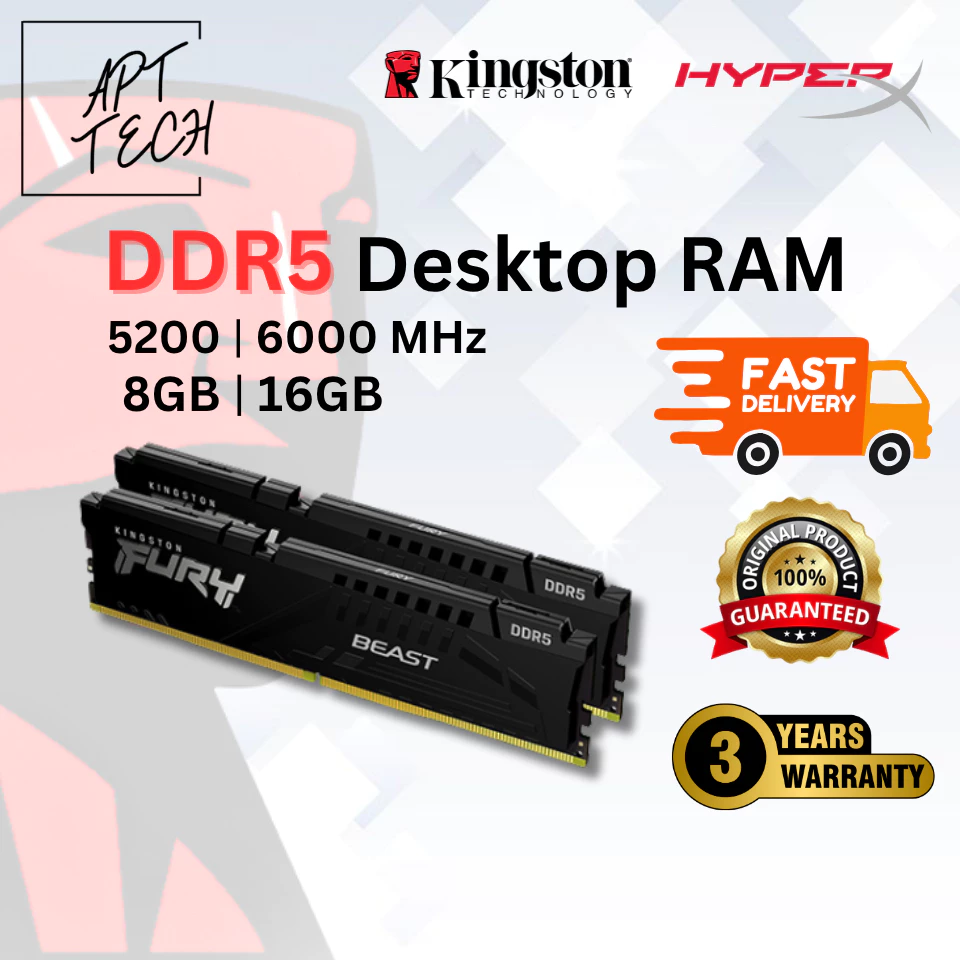
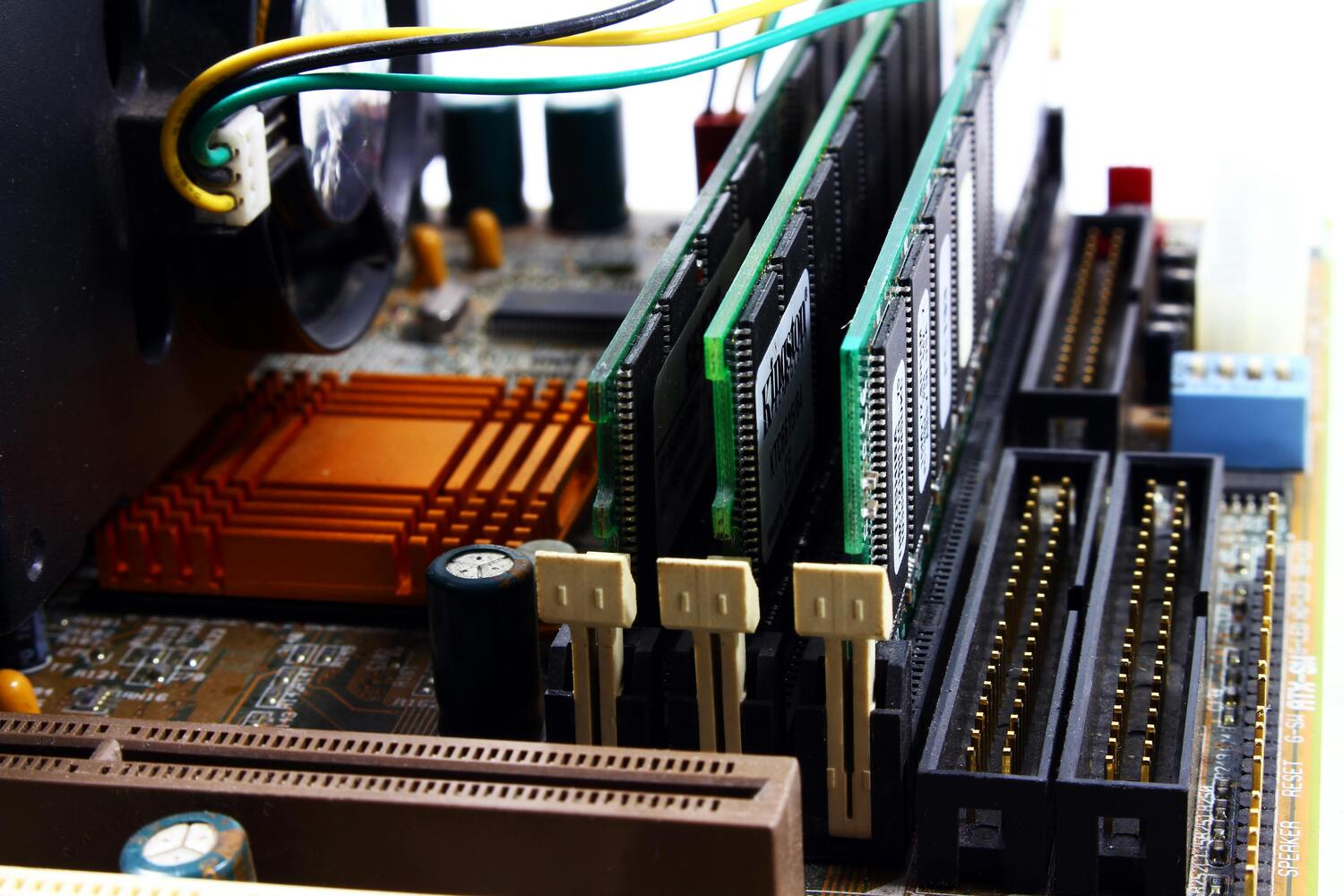
In recent years, the price of computer hardware has continued to rise, and one of the key contributors is the increase in RAM (Random Access Memory) prices. Since RAM is a core component in almost every computing device—desktops, laptops, servers, and even smartphones—any price fluctuation has a ripple effect across the entire hardware market.
Understanding why RAM prices are increasing and how to reduce costs can help consumers and businesses make smarter purchasing decisions.
Why Is RAM Becoming More Expensive?
Several global factors contribute to the rise in RAM prices:
1. Supply and Demand Imbalance
RAM manufacturers produce memory chips used in multiple industries, including PCs, servers, smartphones, and AI systems. The rapid growth of data centers, cloud computing, and AI applications has increased demand faster than supply.
2. Limited Manufacturers
The RAM market is dominated by a small number of major players. When production slows, factories undergo upgrades, or supply is adjusted to control pricing, the impact is felt worldwide.
3. Technology Transition
The shift from older memory standards (such as DDR4) to newer ones (like DDR5) increases costs. Newer technology requires updated manufacturing processes, which are more expensive in the early stages.
4. Global Economic and Logistic Issues
Inflation, higher energy costs, and global shipping disruptions have increased production and transportation expenses, which are passed on to consumers.
Impact on Computer Hardware Prices
The increase in RAM prices does not only affect memory modules—it impacts the entire hardware ecosystem.
- Prebuilt PCs and laptops become more expensive
- Server and workstation costs rise significantly due to large RAM requirements
- DIY PC builds exceed budget expectations
- Entry-level systems become less affordable for students and small businesses
Manufacturers often bundle RAM with CPUs or systems, meaning higher RAM prices indirectly push up the cost of processors, motherboards, and complete systems.
What Can You Do to Reduce Hardware Costs?
Despite rising prices, there are several strategies to minimize the impact:
1. Upgrade Only What You Need
If your system already has sufficient RAM (e.g., 16GB for general use), upgrading may not provide noticeable benefits. Focus on real performance bottlenecks instead.
2. Stick With Older Platforms
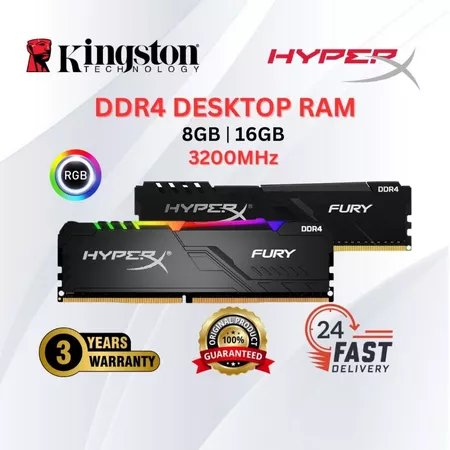
DDR4 systems are still highly capable and often significantly cheaper than DDR5 platforms. Unless you need cutting-edge performance, older standards offer better value.
3. Buy During Sales or Clearance
Look for promotions, seasonal sales, or clearance stock. RAM prices can fluctuate, and timing your purchase can save a lot of money.
4. Consider Second-Hand or Refurbished RAM
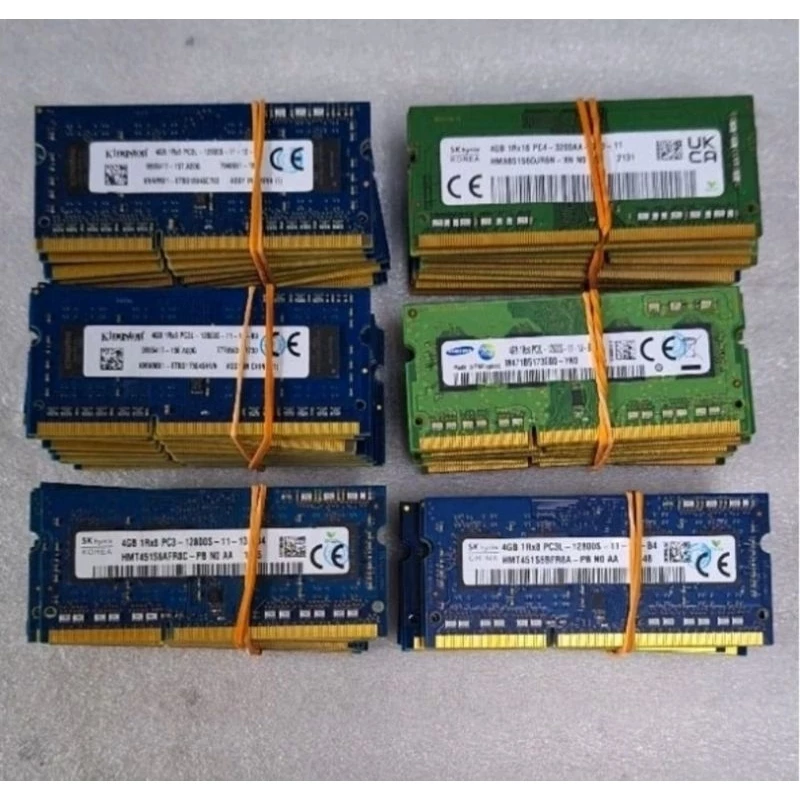
Used RAM from reputable sellers can be a cost-effective option, especially for DDR4. RAM has a long lifespan and low failure rate when properly handled.
5. Buy Complete Systems Instead of Parts
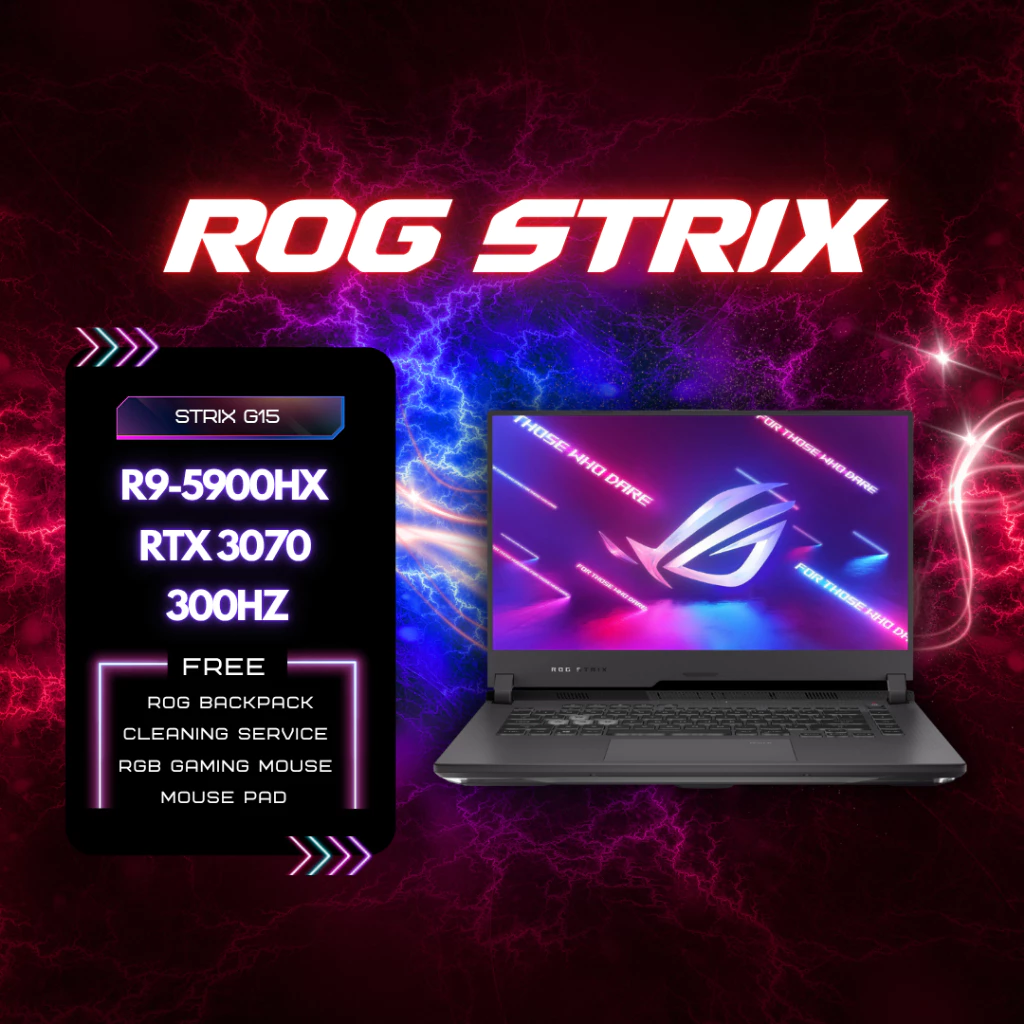
Sometimes, prebuilt systems offer better value because manufacturers purchase components in bulk at lower prices.
6. Plan Long-Term Upgrades
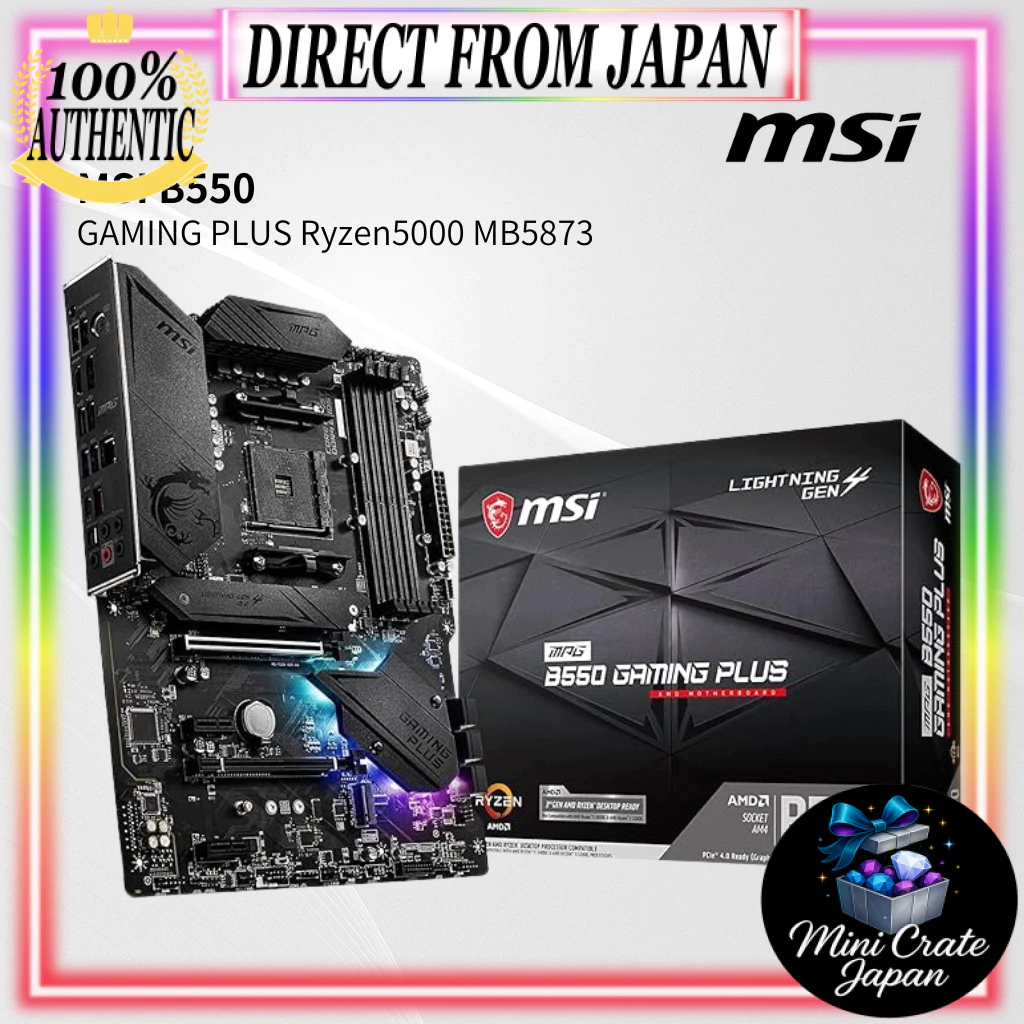
If you expect future upgrades, buy a motherboard with extra RAM slots. This allows gradual expansion instead of replacing all modules at once.
Conclusion
The increase in RAM prices is driven by global demand, limited manufacturing capacity, and technological transitions. As RAM costs rise, computer hardware prices follow, affecting consumers and businesses alike.
However, by making informed decisions—such as choosing the right platform, upgrading strategically, and shopping wisely—you can significantly reduce overall costs without sacrificing performance.
In times of rising prices, smart planning is just as important as powerful hardware.